
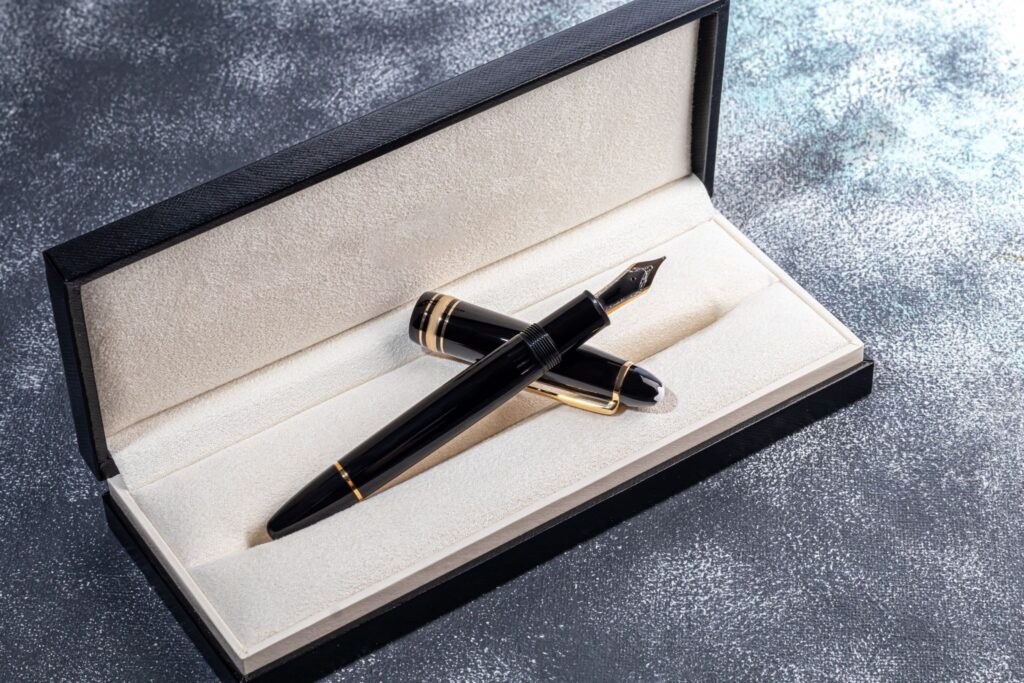
For the uninitiated, a pen is merely a disposable tool. But for customers of Chatterley Luxuries, a fine writing instrument is a “portable museum piece,” a curator of legacy, and a tangible connection to centuries of artistic tradition. Whether you are acquiring your first serious fountain pen or expanding a mature collection, the difference between a simple purchase and a lifelong treasure often comes down to knowing what to look for.
At Chatterley Luxuries, we curate everything from the technical precision of German engineering to the extravagant soul of Italian design and the meditative patience of Japanese craft. Here are the five essential factors to consider when selecting a luxury pen worthy of your hand.
1. The Nib: The Heart of the Experience
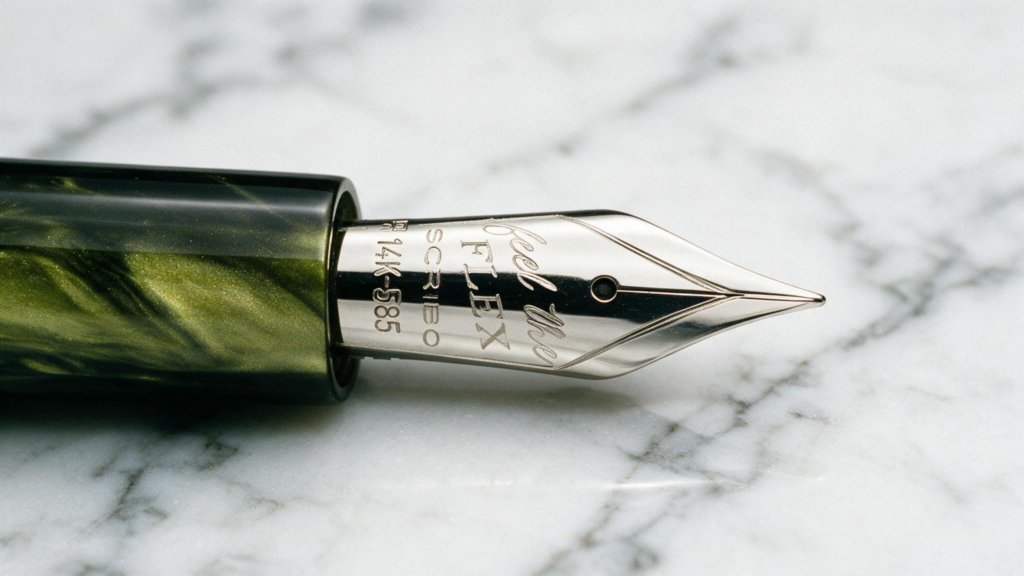
The nib is arguably the most critical component, as it determines the very soul of your writing experience. It is not just about ink flow. Instead, it’s about character, the feel in your hand as pen meets paper, and the “complex geometry” that allows the metal to flex precisely.
Gold Content & Craftsmanship: In the realm of luxury, gold is the standard. Montblanc nibs, for instance, are crafted from 14K or 18K gold, precisely alloyed to offer optimal flex and corrosion resistance. These are not mass-produced components; the nib alone requires multiple stages of grinding and polishing. Master artisans spend years developing the sensitivity required to hand-tune each nib, ensuring the tines align perfectly for a smooth, effortless experience.
Regional Personality: While German makers often prioritize that “butter smooth” glide, Italian manufacturers like Aurora are famous for nibs with distinct “feedback.” This slight resistance communicates the texture of the paper to your hand, offering a level of control beloved by calligraphers.
Finding Your Grade:
Your handwriting style will dictate your nib choice. Here is some guidance to consider when deciding which nib options would be best for you:
- Extra Fine (EF) & Fine (F): Ideal for those with small handwriting or a need for detailed annotation, producing crisp, precise lines.
- Medium (M): The versatile standard and most popular width, offering satisfying flow and forgiving performance that suits most papers.
- Double Broad (DB) & Broad (B): For those who want to showcase ink shading or add flair. These nibs deliver luxurious wetness and impressive presence on the page.
- Oblique (O): A specialty grind cut at an angle. These nibs can be had in the multiple nib grades above. Oblique nibs add character to your script through varying thick and thin strokes, creating line variation based on your specific writing angle.
- Italic (IT): A sharper, more defined version of the stub. With crisp edges and a flatter tip, italic nibs produce dramatic thick and thin strokes, offering strong line variation ideal for expressive handwriting, formal scripts, and those who want their writing to stand out on the page. These nibs can be harder to write with if you are new and have a small sweet spot and can sometimes feel “scratchy”
- Stub (ST): (A Chatterley Favorite) A lat-tipped nib designed to create natural line variation without requiring a special writing style. Vertical strokes appear thicker while horizontal strokes stay narrower, giving everyday writing a calligraphic character while remaining smooth and easy to use. These nibs generally come in larger diameters (e.g. .7mm, .9mm, 1.1mm) so you can enjoy the variation.
2. Artistry and Materials: Beyond Mere Decoration
True luxury is distinguished by materials that endure and finishes that captivate. Depending on the maker, these styles might be considered “quiet engineering,” “expressive art,” or “high-tech organic.”
Durability of Resin and Celluloid: While often mistaken for ordinary plastic by the uninitiated, the high-quality “precious resin” used by brands like Montblanc is a proprietary compound engineered for longevity. Unlike cheap synthetics, this material offers superior resistance to temperature changes and a profound depth of color that will not crack, yellow, or fade over decades.
High-Tech Organic: For a unique tactile experience, consider brands like Visconti which utilize materials such as basaltic lava. These materials are virtually unbreakable and hygroscopic, absorbing moisture from your hand for a secure, warm grip that differs entirely from cold metal or glossy plastic.
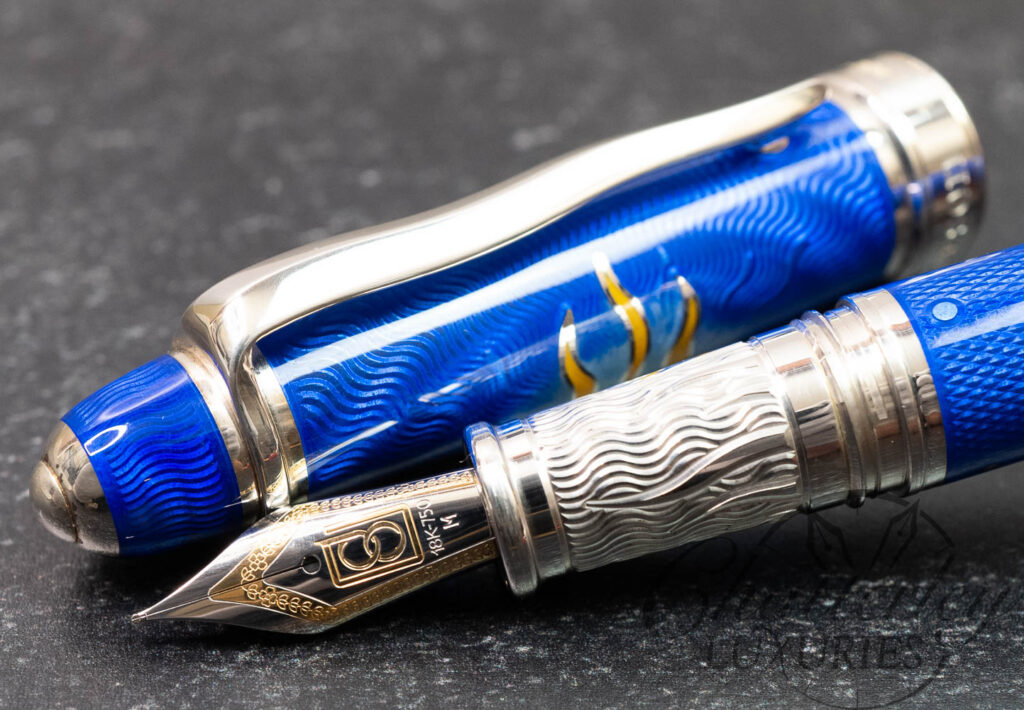
Old World Enamel: If you seek a true “museum piece,” look to the work of David Oscarson. Using the technique of Guilloché combined with hard enamel, these pens undergo multiple firings to achieve a glass-like, enduring finish that offers depth and complexity impossible to replicate with modern paints.
The Mastery of Urushi and Maki-e: For a more organic, artistic connection, look to Japanese traditions. Maki-e pens—such as the iconic Namiki Emperor—use urushi lacquer (harvested from tree sap) which cures to a hardness comparable to glass. Techniques like Togidashi (where gold designs are buried and polished to reveal them) create a depth impossible to achieve through surface painting.
Texture: Consider the tactile experience. Ishimeji finishes mimic the rugged feel of stone, while Taka Maki-e creates raised designs that engage your fingertips as you write.
3. The Filling System: Ritual vs. Convenience
How your pen drinks ink is a matter of lifestyle and preference.
Piston Fillers: Found in iconic models like the Montblanc 146 and 149 or the Pelikan Souverän, these mechanisms draw ink directly from a bottle. They offer large ink capacity and the romantic ritual of bottling—perfect for the purist.
Power Fillers: For the road warrior, vacuum-based systems (like those found in many Visconti or TWSBI models) are a marvel. They hold a massive amount of ink and seal the barrel to prevent leaks during air travel.

Eyedropper Fillers: One of the oldest and simplest filling systems. Ink is placed directly into the barrel using an eyedropper or syringe, creating a massive ink reservoir with very few moving parts. This design is favored for its reliability and capacity, and is famously used in pens like the Namiki Emperor Fountain Pen, which features a traditional eyedropper system paired with a shut-off valve that seals the ink chamber—helping regulate flow and making the large ink supply practical for everyday use.
Cartridge/Converter: Systems like those in the Montblanc Classique offer travel convenience and easy changes. While they may lack the capacity of a piston, they offer modern flexibility.
Reliability: Regardless of the system, engineering precision is key. A quality piston mechanism should operate smoothly for decades without failing.
4. Ergonomics: The Physical Connection
A luxury pen must be a tool you want to use. It should balance in the hand with deliberate weight distribution that reduces fatigue during extended writing sessions.
Weight and Warmth: Substantial construction provides the ideal heft for control. Materials like urushi lacquer even develop a unique warmth, subtly responding to your body heat.
Size: Proportions matter. A mid-sized pen like the Montblanc LeGrand (146) accommodates most hands comfortably, whereas a larger “diplomat” style pen like the 149 commands attention and offers a different center of gravity.
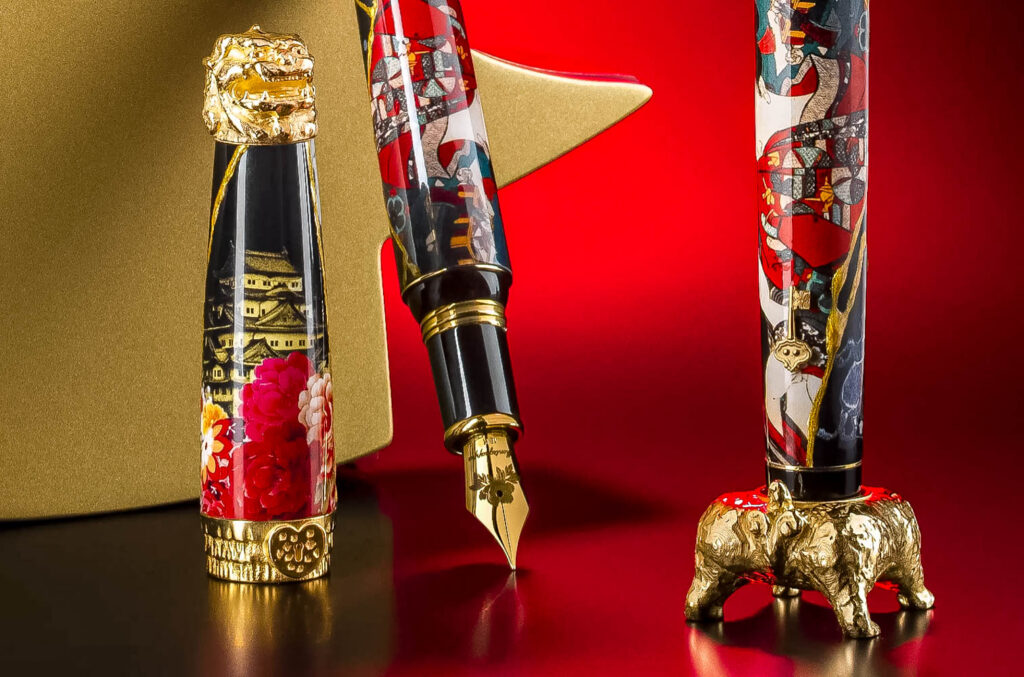
The Oversized Statement: Brands like Namiki or Montegrappa produce oversized pens that are surprisingly comfortable; their sheer mass allows the pen to apply pressure to the page under its own weight, preventing hand cramping.
5. Provenance and Investment Value
While we believe pens are meant to be written with, they can be assets.
Limited Editions: Collectors often gravitate toward limited editions, where scarcity can drive substantial appreciation over time. These pieces often honor cultural figures or historical events. Brands like Aurora are famous for strict numbering (e.g., “18 of 888”), creating defined scarcity.
Core Collections: However, do not overlook “core” lines (like the Meisterstück). These pens focus value on essential engineering and often provide greater liquidity and easier serviceability.
Authenticity: In a market flooded with imitations, verifying authenticity is paramount. Look for crisp engravings (never printed), proper serial numbers, and the precise fit of components.
Conclusion
Whether you choose the engineering perfection of a German masterwork or the soulful patience of Japanese Maki-e, you are investing in more than an object; you are joining a “living tradition.” Enjoy your browsing of our collection at Chatterley Luxuries, and get in touch if you have questions!